 Sorry this is late this month… I’ve been working hard to complete a home remodeling project I promised Mrs. Goat I’d get done before she returns from a trip Nov 8th (her b-day is Nov 7). I’ll get it done dear, I promise. 😉
Colorado Public Radio’s newest endeavor, OpenAir1340, has launched. It’s not what it was advertised to be, sorry to report. It’s good… it’s just not what any of us may have been expecting when reading all the advance press releases, in which former Radio 1190 general manager/current OpenAir1340 program director Mike Flanagan has said; “…in a given hour you might hear a mixture of rock, country, soul, folk, world, roots, and blues. It’ll be a fun and educational destination, complete with interviews, performances from Open Air’s studio, vinyl classics and much more.” Mike has also stated, “Open Air will provide a comprehensive music experience focusing on new and recent music of the past 15 years with a Colorado perspective.”
Okay, it’s early in the game … perhaps the “rock, country, folk, world, roots, and blues” with “a Colorado perspective” will evolve into the mix. Now, however, what we get is a solid dose of a more polished and sophisticated sounding(i.e. professional/safe) Radio 1190 – complete with all the requisite new indie pop/rock hits… and a smattering of Colorado artists (looks like 2 an hour based on a day’s worth of data, which supports what Mike told me a few weeks ago in an interview).
So far, the crew at OpenAir 1340 has invited in Paper Bird, The Dont’s and Be Carefuls, Candy Claws, Port au Prince, Danielle Ate the Sandwich, and Safe Boating is No Accident. I asked Mike in an email exchange, “anything a bit more mainstream and less “indie” than these?” “Not chet,” he responded.
 Mike has smartly assembled a young, good looking team of 20 and 30-somethings from his last days at Radio 1190 (KVCU Boulder). Most notable is morning personality and assistant music director Alisha Sweeney. Alisha is a seasoned on-air personality with 12 years of experience working for stations in Denver, Boulder, Jersey City, N.J. and London, England. She’s also won several awards, including a nod from Westword in 2001 for best radio DJ.
 I look forward to receiving the station’s spin charts, hopefully in time for the December News Notes and Spins column. Anyone looking to submit, the music director is Jessi Whitten who served as music director for Radio 1190 for two years, planning daytime music programming, producing content for the web, and screening and reviewing CDs. It’ll be fun to see their spins every month.
Here’s hoping that a public radio outfit the size and scope of Colorado Public Radio, and a group of young indie music hipsters, can create that station that no one else has really dared try yet .. at least not since the old days of KFML (originally on 1390 AM).
Here are the Colorado titles aired (to the best of my ability to sift thru the online playlist generator) on Nov 2.
11:06 PM Don’ts and Be Carefuls – The New World
10:25 PM The Don’ts and Be Carefuls – Old Heart/Young Heart
10:20 PM Paper Bird – By the Wind, Sailor
9:28 PM Wentworth Kersey – Wealth
8:30 PM Bad Weather California – I Don’t Know
7:50 PM Devotchka – Undone
6:47 PM ManCub – Summer Rain
3:27 PM Hot IQs – Firecracker
2:51 PM Devotchka – We’re Leaving
2:21 PM Paper Bird – Windchimes
12:41 PM The Knew – Just Enough
10:52 AM Tennis – Take Me Somewhere
10:23 AM Air Dubai – Soul & Body
9:20 AM Devotchka – Contrabanda
9:17 AM Rose Hill Drive – Baby Doncha Know Your Man
8:15 AM Nathaniel Rateliff – Early Spring Till
7:32 AM Flashbulb Fires – Serious Way
6:29 AM Kal Cahoone – Built the Fire
4:04 AM Porlolo – Rattle, Roam
3:43 AM Nathaniel Rateliff and the Wheel – My Hanging Surrender
2:30 AM Rose Hill Drive – Telepathic
2:01 AM The Knew – Gretna
1:21 AM Hello Kavita – Sunday (It’s A Chrome Tide)
12:52 AM Devotchka – Such a Lovely Thing
KBUT (Crested Butte) checked in this month with this: KBUT is honored and excited to be hosting this year’s Rocky Mountain Community Radio (RMCR) conference on November 8th, 9th & 10th. Radio stations from across Colorado and surrounding states will descend upon Crested Butte for 3 days of seminars, meetings, hobnobbing and one session of KBUT’s infamous BINGO night. Discussions will address opportunities, challenges, fund raising, new technologies, programming ideas and more. In other news, KBUT was nominated as “Most Adventurous” at this year’s CMJ awards.
TOP 40 ALBUM SPINS – October 2011
(177 titles reported played / 353 titles tracked)
(LM) TM / [date added]
(D) = debut, first time on chart)
(R) = re-entered chart)
 (D) 1. Great American Taxi – Paradise Lost (self) Rock [Oct-11]
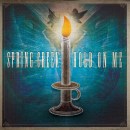
(1) 2. Spring Creek – Hold On Me (self) Bluegrass [Jul-11]
(2) 3. Finnders & Youngberg – FY5 (self) Bluegrass [Apr-11]
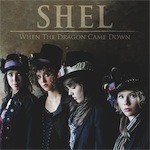
(17) 4. SHEL – When the Dragon Came Down (Moraine Music Group) Folk [Sep-11]
(5) 5. Bare Bones – Bare Bones (self) Americana [Sep-11]
(R) 6. John-Alex Mason – Jook Joint Thunderclap (Naked Jaybird) Blues [Jan-11]
(18) 7. Devotchka – 100 Lovers (Anti) Adult Alternative [Dec-10]
(17) 7. Wendy Woo Band – Austerity (Woomusic) Pop/rock [Jun-11]
(R) 8. The Quiet American – Vol. II (self) Folk [May-11]
(8) 9. Cassie Taylor – Blue (Hypertension) Blues [Aug-11]
(24) 10. Lionel Young Band – On Our Way to Memphis (self) Blues [Aug-11]
(R) 11. Rose Hill Drive – Americana (Slowly and Shirley) Rock [Jul-11]
 (D) 11. Stephanie Pauline & Joe Uvegas – When the Smoke Clears (self) Country [Sep-11]
(8) 12. Jim Stranahan – Free For All (Capri Records) Jazz [Apr-11]
(R) 12. The Broken Everlys – Stoned In Juarez (self) Rock [Feb-11]
(15) 13. John Common and Blinding Flashes of Light – Beautiful Empty (Free School) Adult Alternative [re-enter Apr-11]
(7) 14. The Patti Fiasco – The Patti Fiasco (self) Alternative Country Rock [Jul-11]
 (D) 15. Ian Cooke – Fortitude (Pop Shop Music) Indie/alternative [Oct-11]
(3) 16. Driftwood Fire – How To Untangle A Heartache (self) Folk [Aug-11]
(R) 17. H2 Big Band – You’re It! (Jazzed Media) Jazz [Jul-11]
(R) 18. Andrew Vogt – Cats Afoot (Drew’s Blues Records) Jazz [Jun-10]
(R) 19. Grant Sabin – The Homesick EP (self) Blues [Jul-11]
(17) 20. Andy Palmer – Sometime Around (self) Adult alternative [Sep-11]
(9) 21. El Toro De La Muerte – Dancer These Days (self) Rock [Aug-11]
(D) 21. Fierce Bad Rabbit – Live and Learn (self) Indie/alternative [Oct-11]
(15) 21. Fierce Bad Rabbit – Spools of Thread (self) Indie/alternative [Sep-10]
(D) 21. Grass It Up – Grass It Up Live (self) Bluegrass [Oct-11]
 (D) 21. Mosey West – Vaca Money (self) Rock [Sep-11]
(D) 21. Papa Juke – Out Of The Blues (self) Blues [Oct-11]
(17) 21. Zach Heckendorf – The Cool Down (self) Pop/rock [Jul-11]
(R) 22. Adam Stern – High Country Gentleman (self) Various [Jun-11]
(19) 22. Whiskey Blanket – No Object (self) Hip-Hop/Rap [Dec-10]
(8) 23. Brad Goode – Tight Like This (Delmark) Jazz [Sep-10]
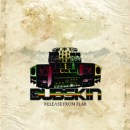 (D) 23. Dubskin – Release From Fear (self) Reggae [Sep-11]
(6) 23. Halden Wofford & the Hi Beams – Sinners & Saints (self) Americana/country [Aug-10]
(R) 23. Slim Cessna’s Auto Club – Unentitled (Alternative Tentacles) Adult alternative [Mar-11]
(D) 24. Andy Monley & the High Horses – Pull (Socket) Rock [Oct-11]
(R) 24. Beats Noir! – 13 Tracks From The Dark Side Of The Beat (self) Hip-Hop [Aug-11]
(R) 24. Bop Skizzum – Beauty Queen (self) Funk/R&B/Soul [Nov-10]
(D) 24. Kathryn Mostow – Rich Girl (self) Folk [Oct-11]
(16) 24. The Hickman-Dalton Gang – Vol II (self) Americana [Jun-11]
Fell Out of Top 40 – October
(4) The Haunted Windchimes – Live at the Western Jubilee
(6) Cary Morin – Sing It Louder
(8) Jami Lunde – Big Black Birds
(8) The Raven and the Writing Desk – Bonedale
(8) The Whiskey Bottles – Ain’t No Crime
(12) 3 Twins Broadband – 3 Twins Broadband
(13) Adam Bodine Trio – Up ‘N Hear
(16) Musketeer Gripweed – Dyin’ Day
(18) Katey Laurel – From Here
(18) My Body Sings Electric – Step Into the Light
(18) Petals of Spain – Lady Luck (single)
(19) Snake Rattle Rattle Snake – Sineater
(20) Jeff Brinkman – To the Bones
(20) Jim McTurnan & The Kids That Killed The Man – Joie De Vivre
(20) Paper Bird – Carry On
(20) Roniit – Roniit
(20) The Dirty Lookers – Audio Voyeur
(21) Kevin Dooley – Moonlight Highway
Added – October
Air Dubai – Day Escape
Andy Monley & the High Horses – Pull
Ashley Raines & the New West Revue – One Trick Mule
Ben Lewis – Blackbeard’s Dream
Big Jim Adam / John Stilwagen – Tippy’s Barn
Colin Stranahan – Anticipation
Common Anomaly – Iridium
Constitution – Wrestling with the Daylight
Fierce Bad Rabbit – Live and Learn
Grass It Up – Grass It Up Live
Great American Taxi – Paradise Lost
Ian Cooke – Fortitude
Inca – Eye of the Storm / Don’t Look Away [single]
Joe Mondragon – “20”
Jon Ridnell – Music Saved My Soul
Jonah Wisneski – Lights
Juno What?! – Late Night Live
Kathryn Mostow – Rich Girl
Lara Ruggles – Out of an Eggshell
Neil Haverstick – Hide and Seek
Papa Juke – Out Of The Blues
Paul Russell – Back at the Scene of Our Beautiful Crime
Read You and Me – Pt. II
Reckless Red – Reckless Red
Seven On Seven – Back When It Was Fun
Sun Red – Breathes Ages
The Anteaters – If the Tele Took Teardrops
The Bimarinal – The Bimarinal
The Fray – Heartbeat [single]
REPORTING STATIONS
No Report this month = KGNU (Boulder), KCSU (Fort Collins), KDNK (Carbondale)
 KAFM (Grand Junction)
1. Driftwood Fire – How To Untangle A Heartache
2. Boulder Acoustic Society – Champion of Disaster
3. Big Head Todd & the Monsters – Big Head Blues Club: 100 Years of Robert Johnson
3. Dotsero – Storyhouse
3. Finders and Youngberg – FY5
 KBUT (Crested Butte)
1. Spring Creek – Hold On Me
2. Finnders & Youngberg – FY5
2. Grass It Up – Grass It Up – Live
2. Great American Taxi – Paradise Lost
3. Adam Stern – High Country Gentleman
 KRCC (Colorado Springs)
1. El Toro De La Muerte – Dancer These Days
2. Ashley Raines & the New West Revue – One Trick Mule
2. Big Head Todd and the Monsters – Big Head Blues Club: 100 Years of Robert Johnson
2. Finnders & Youngberg – FY5
2. Grant Sabin – The Homesick EP
KRFC (Fort Collins)
1. Great American Taxi – Paradise Lost
2. Lionel Young Band – On Our Way to Memphis
3. Fierce Bad Rabbit – Live and Learn
4. Patti Fiasco – Patti Fiasco
5. John-Alex Mason – Jook Joint Thunderclap
 KUNC (Greeley)
1. SHEL – When the Dragon Came Down
2. Driftwood Fire – How To Untangle A Heartache
2. Kathryn Mostow – Rich Girl
3. Zach Heckendorf – The Cool Down
4. Justin Roth – Now You Know
 KUVO (Denver)
1. Brad Goode – Tight Like This
2. Colin Stranahan – Anticipation
3. Andrew Vogt – Cats Afoot
3. H2 Big Band – You’re It!
3. Hazel Miller Band – Coming to You Live… From KUVO
KVNF (Paonia)
1. Great American Taxi – Paradise Lost
2. Paper Bird – Carry On
2. Spring Creek – Hold On Me
3. Finnders & Youngberg – FY5
3. Halden Wofford & the Hi Beams – Sinners & Saints
 The Colorado Sound
1. Andy Palmer – Sometime Around
1. Bare Bones – Bare Bones
1. Great American Taxi – Paradise Lost
2. Andy Monley & the High Horses – Pull
2. Beats Noir! – 13 Tracks From The Dark Side Of The Beat
 MISC (inc. specialty shows on KTCL, Radio 1190, KQMT)
1. John Common and Blinding Flashes of Light – Beautiful Empty
1. Take to the Oars – American Volume
2. Air Dubai – Wonder Age
2. Churchill – Happy/Sad
2. Common Anomaly – Iridium
 Chris K's Colorado Playlist